Tubos Reunidos: SEPI debt dispute clouds the sale of its assets
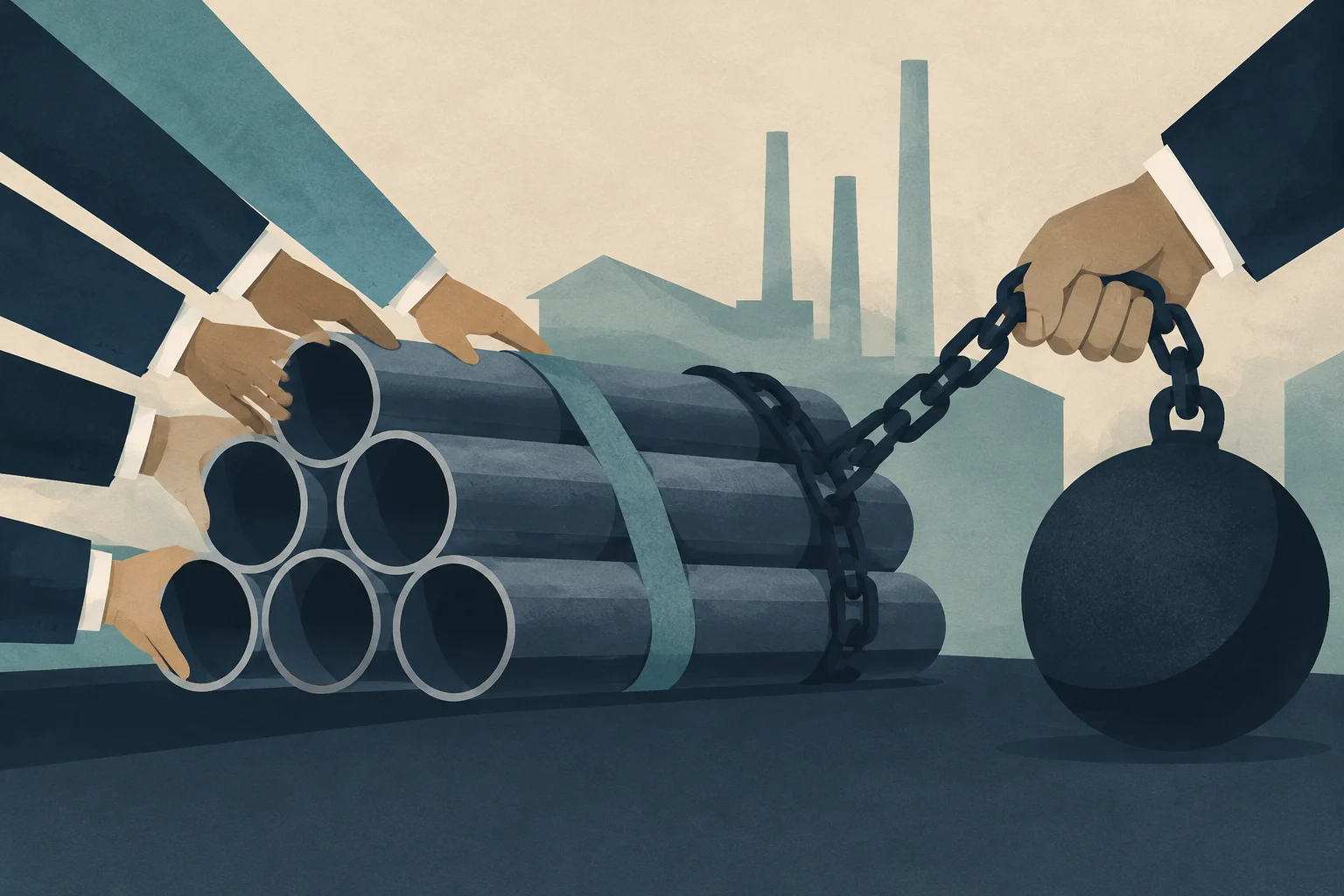
The five shortlisted bidders for Tubos Reunidos refuse to take on its €150 million debt to SEPI. The insolvency administrator supports their position, considering the loan subordinated, while the state agency demands that it be transferred—complicating the company’s viability and its ability to pay wages.
The financial impasse: €150 million in debt to SEPI
The main obstacle to selling Tubos Reunidos’ assets is not a lack of investor interest, but a dispute over what should happen to the company’s accumulated debt. The company has total debt of €300 million, of which €150 million relates to a loan granted by SEPI (the Spanish State Industrial Holdings Company) in 2021, with an original principal of €112.8 million.
The five groups whose bids have been shortlisted agree on one point: none is willing to assume this debt as part of the acquisition of the production units. According to company sources, the bidders have not asked for the loan to be written off; they want it not to be transferred to the new entities that acquire the plants. The insolvency administrator shares this position and has issued reports classifying SEPI’s debt as subordinated because it is a participating loan. Under this legal interpretation, the debt should not pass with the assets, but should remain with the original debtor—the company in insolvency proceedings—rather than the buyer.
SEPI’s position and the risk of state aid
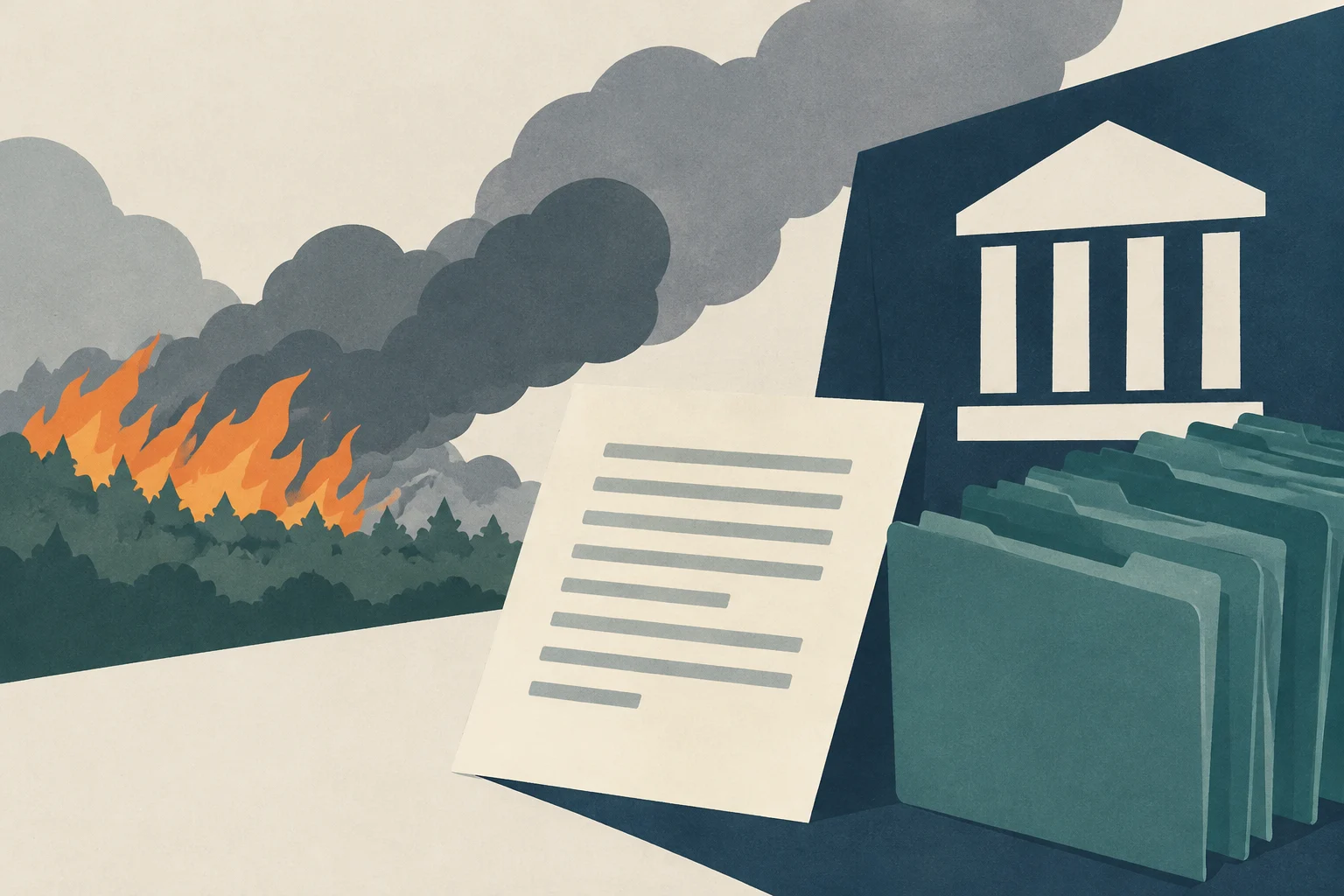
SEPI, as the company’s principal creditor, takes the opposite position: the debt must be assumed by the production units being transferred. To support this demand, the agency has submitted a preliminary opinion from the European Commission’s Directorate-General for Competition. The document argues that writing off the debt would constitute unauthorised state aid, which is prohibited under European regulations.
It is important to note that this opinion is not binding and does not represent the European Commission’s definitive position. Nevertheless, it adds a layer of legal complexity to the process, as any court decision to write off the debt could be challenged or require further notifications to Brussels. Ultimately, the dispute will be resolved by the court with jurisdiction over the insolvency proceedings, which must decide whether the debt is transferred or remains with the debtor company.
Critical financial position and risk to wage payments
Despite the uncertainty surrounding the sale, Tubos Reunidos’ operations show signs of a partial recovery. During the first 20 days of October, the company recorded orders worth €15 million, a 105% increase on the same period in 2025. 85% of these orders are for the Amurrio plant (Álava) and are mainly intended for the US market, where prices for seamless steel pipe have risen.
However, this increase in orders does not immediately translate into cash. Revenue remains below its 2025 level, and cash flow is critical. Management has warned the unions that its ability to pay upcoming wages depends on cash generated by production. Although the October bonus is expected to be paid at the Trapagaran plant (Bizkaia), the company has not ruled out occasional delays in paying wages or the December bonuses if liquidity does not improve.
At the Iruña Oka plant (Navarre), the smallest site, with around 60 employees, which specialises in threading pipes, the insolvency administrator has reported that adjustment measures are needed because of a lack of orders. These will be negotiated in the coming days.
Impact on employment and industrial continuity
All the bids include workforce reductions. Only three of the five bidders have committed to maintaining operations at the two main plants: Amurrio and Trapagaran. This divergence is crucial for workers and unions, which are defending the viability of all the plants and employment.
The Indian group Welspun, one of the bidders, has invited representatives of the Trapagaran workers’ committee to hear details of its proposal. The group, which operates in more than 50 countries and has over 40,000 employees, works in sectors including pipes, stainless steel and infrastructure. Confirmation of its participation adds an international dimension to the process, although the final terms have yet to be settled.
Insolvency timetable and next steps
The sale process is in an active negotiation phase. The timetable for the coming weeks includes:
Questions from bidders to the company’s management.
Voluntary meetings between interested parties, management and the workers’ legal representatives, beginning next week. These meetings are needed to define the industrial scope and employment terms of the preliminary proposals.
Submission of final bids, expected in early December.
Assessment and ranking of the bids by the insolvency administrator.
The resolution of the insolvency proceedings, which will determine who acquires the assets and what happens to the debt, is expected in December. The court’s decision will be decisive not only for the company’s future, but also for the workers’ employment situation and the region’s financial stability.
The modernization of the Castelló de Rugat plant adds automation, a line for leafy mandarins and AI-assisted sorting; the company expects to strengthen its service to large retailers.
The NEA issued notices under the THPA to ten companies registered in Singapore, including Wilmar and APP. The measure seeks to gather information; it does not in itself establish liability.
The British newspaper’s analysis highlights the fiscal surplus and slowing inflation, but also points to weak economic activity, formal job losses, and lagging real wages. The divide between export-oriented sectors and the domestic market poses a challenge heading into 2027.