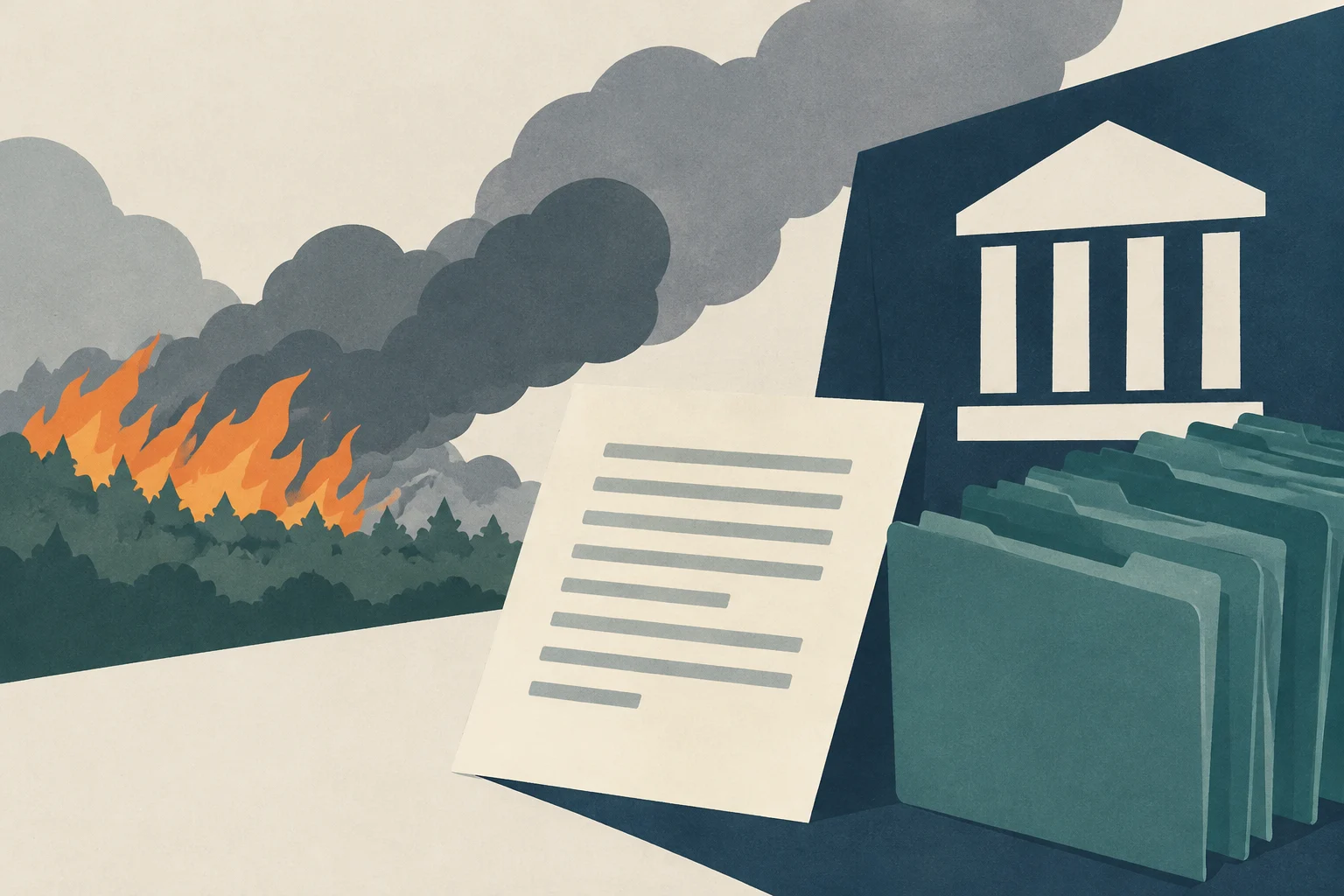
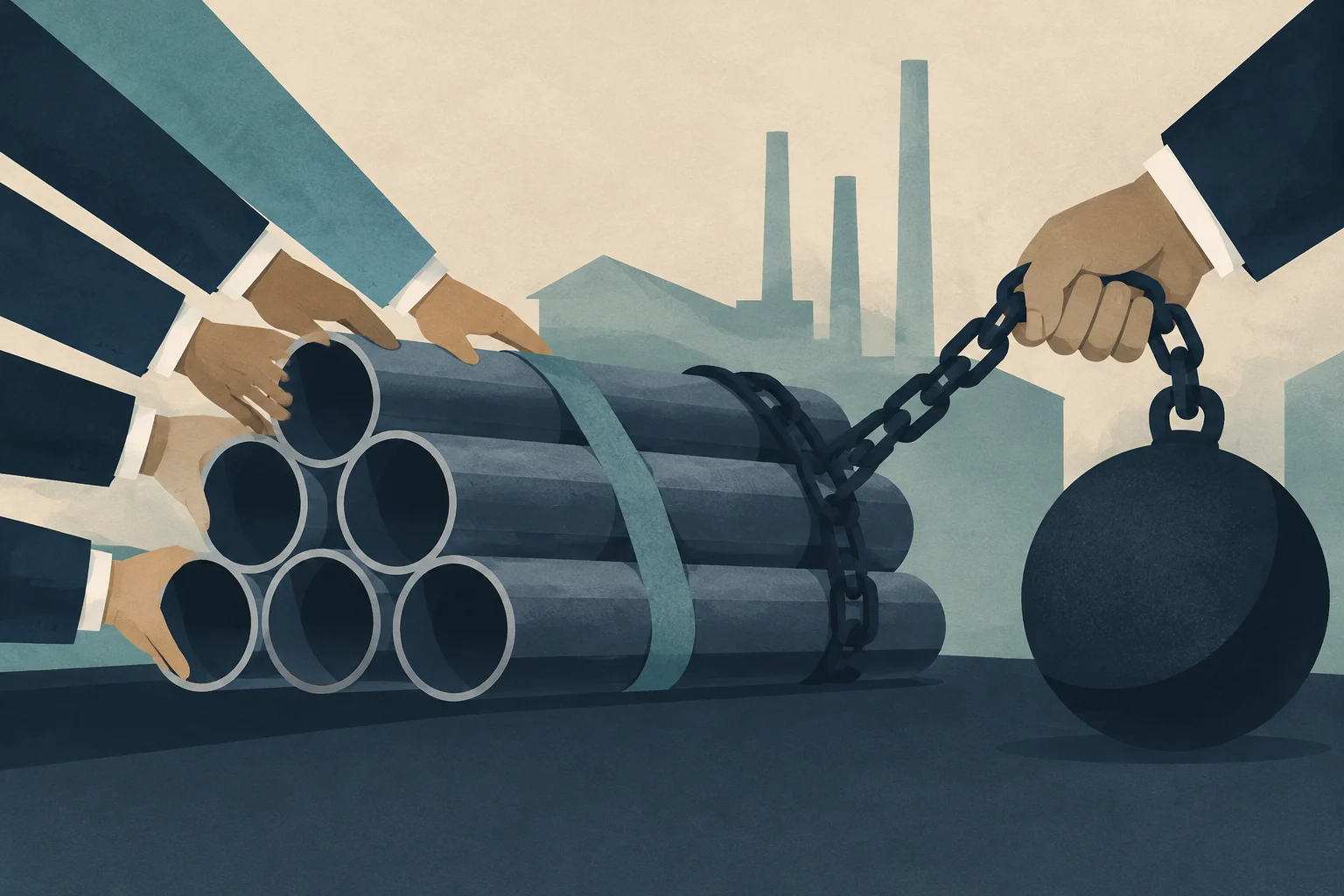
Three years after Javier Milei took office, Argentina’s economy presents a mixed picture: public finances have stabilized and inflation has slowed, while economic activity remains sluggish and workers, retailers, and businesses focused on the domestic market continue to face difficulties. That is the central tension in the Financial Times analysis, titled “Milei’s economic reforms under pressure.”
The British newspaper acknowledges progress in macroeconomic indicators but describes an economic and social cost that continues to weigh on the recovery. According to the analysis, the outcome cannot be summed up solely by price control or fiscal balance: it also depends on whether these changes lead to more activity, jobs, and income.
Macroeconomic progress and weakening demand
Among the results highlighted are the fiscal surplus and the drop in inflation from a peak of nearly 300% to 34%, according to figures cited in coverage of the article. An improvement in the country’s financing conditions is also mentioned. The Financial Times argues that fiscal stabilization and market reforms have strengthened public finances compared with previous years.
But lower inflation does not mean that prices have returned to earlier levels or that incomes have automatically regained their purchasing power. The analysis cites Equilibra estimates that real wages remain around 10% below early 2023 levels. In addition, official figures cited by the newspaper count about 300,000 formal jobs lost since the start of the administration.
Weak domestic demand is also affecting retailers and businesses. Some welcome the easing of import restrictions and regulations, but they face consumers with less spending power and greater competition from imported products. According to Invecq, total investment has fallen 13% since 2023.
An uneven recovery across sectors
The picture is not uniform. Mining and energy are showing momentum, while soybean and beef exports are helping ease the shortage of foreign currency. These sectors can grow even as the domestic market remains weak, so growth in export activities does not by itself imply a recovery across the wider economy.
Martín Rapetti, Equilibra’s founder, described the divide this way: “There are pockets of strong growth, but the rest of the economy is stagnant or contracting.” He also said that jobs disappearing in declining sectors are not being absorbed by mining and energy. The difference between the performance of these activities and that of businesses reliant on local consumption is a key part of the diagnosis.
The article also cites JPMorgan’s assessment that Argentina could be entering a technical recession, defined as two consecutive quarters of declining gross domestic product. This is an estimate attributed to the bank, not confirmation that this condition has already occurred.
The political challenge ahead of 2027
The government argues that stability and a possible reduction in the country’s risk premium could pave the way for large-scale investment, particularly in natural resources. It has also launched initiatives to promote mortgage lending and ease the conditions under which banks can provide dollar loans to businesses. These are expectations and measures mentioned in the analysis, not guarantees that investment or employment will recover within a particular timeframe.
Milei has ruled out changing course on his program. Meanwhile, the Peronist opposition, still fragmented according to the article, is seeking to focus its criticism on the cost of the adjustment for industry, commerce, and employment. The 2027 election thus looms as a significant political horizon: the administration is betting that stabilization and investment will offset current difficulties, while its opponents point to stagnation and diminished purchasing power.
For businesses, the analysis leaves one concrete question: trends in export-oriented sectors are not enough to predict conditions across the entire market. Demand, access to credit, costs, and employment can vary by industry and by reliance on domestic consumption. The available material does not make it possible to conclude when—or to what extent—the recovery will spread to those sectors.