China is once again the main source of concern
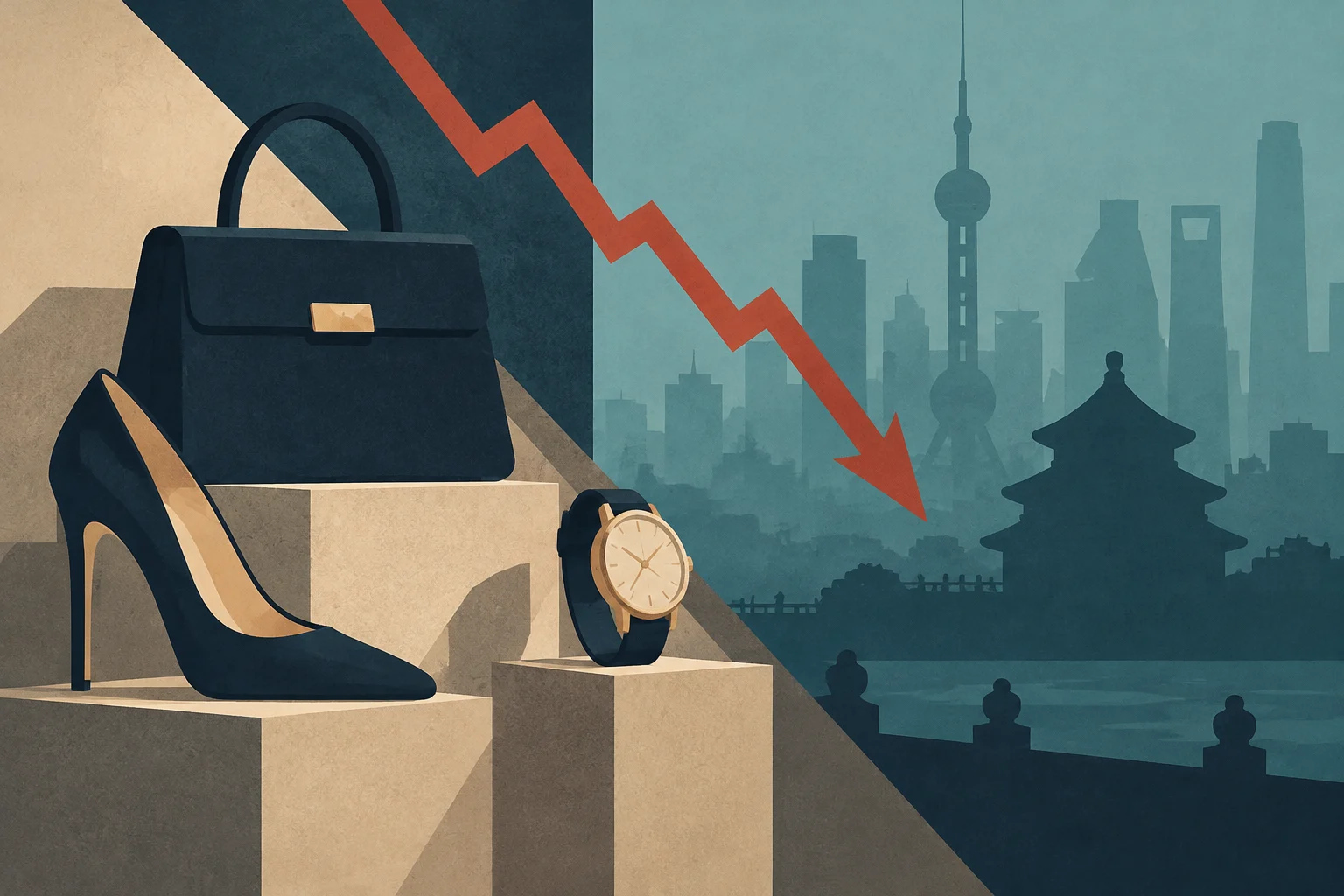
The recovery in European luxury that markets had expected has yet to materialize. Weak demand in China, a key market for the major maisons, has combined with corporate results that failed to meet expectations, prompting investors to reassess how much growth the sector can deliver.
According to figures compiled by Modaes from Reuters, the ten largest publicly traded European companies in the sector have lost around €300 billion in market capitalization since the beginning of 2026. The decline has affected groups such as LVMH, Kering, Hermès and Richemont, though the impact varies between companies and categories.
China matters because of its importance to sales for brands such as Louis Vuitton and Dior, as well as the role that Chinese consumption and purchases by Asian tourists played in the sector’s expansion for years. Consumer confidence, economic difficulties and the property crisis have weakened that momentum. The reports consulted describe demand that has yet to regain its expected pace; they do not allow the entire stock-market decline to be attributed to a single factor.
Results renew doubts about growth
The latest trigger cited in the coverage was LVMH’s update. In the third quarter, the group reported sales of €18.504 billion, up 1.22% on a reported basis and with 1% organic growth. In its fashion and leather goods division, revenue fell 2.96% to €8.245 billion; the organic decline was 5%. According to Modaes, performance was below market expectations.
At Kering, owner of Gucci, the brand’s sales fell 6% in the third quarter, according to Cinco Días. The group’s shares dropped 16.6% in a single session, their steepest one-day decline since listing, the publication reported. The result reflects both Gucci’s commercial weakness and investors’ concerns about the company’s ability to return to growth.
Hermès also posted slower growth than the market had expected: sales rose 5.5% to €4.096 billion at the end of September, but demand in Asia fell short of forecasts, according to Cinco Días. The fall in its share price after the results illustrates how, in the current climate, even companies with more resilient operating performance can be affected when growth disappoints.
A shift in expectations, not just a price correction
For years, investors trusted that luxury brands could maintain high margins and increase revenue even during periods of uncertainty. Price increases contributed to that growth, although they also made the products less accessible. The market is now paying closer attention to whether demand can be sustained and how dependent each group is on China and on specific categories.
The priorities of some high-spending consumers are also changing: Cinco Días notes that spending on travel and premium leisure is gaining ground over purchases of luxury goods. This observation provides context for understanding the challenge facing brands, but the sources do not quantify how much this shift explains current sales.
Stock-market pressure is not uniform either. Modaes highlights the relative resilience of Richemont, a group focused on jewelry and watches, compared with segments more exposed to weakness in fashion and leather goods. This difference is a reminder that sector results depend on each company’s mix of brands, products and markets; luxury cannot simply be treated as a homogeneous block.
For companies in the sector, the situation puts the focus on dependence on specific markets, the performance of leading brands and the ability to adjust offerings to changes in spending. For investors, the loss in market value is a measure of expectations and market prices, not a direct measure of each group’s business activity or a guarantee of its future performance. The available reports describe a widespread deterioration and an uncertain recovery, but do not make it possible to predict when the trend will change.