How to calculate the real cost of the last mile in a transport SME
Final delivery absorbs between 13% and 55% of total logistics costs. This guide explains how to break down time, fuel, tolls, and waiting costs to identify margin leaks and optimize fleet profitability.
The paradox of the shortest and most expensive segment
In transport logistics, there is a counterintuitive reality: the shortest segment of the journey is often the most expensive. The last mile, defined as the route from the last distribution center to the end customer's door, represents a disproportionate fraction of total expenditure. According to studies cited by Capgemini and McKinsey, this segment absorbs between 41% and 55% of shipping costs. Other sources, such as the Clúster Logístic de Catalunya, broaden this range, placing it between 13% and 75% depending on the type of goods and the density of the area.
For a transport SME, ignoring this variable is equivalent to managing the majority of its cost structure blindly. Unlike long-haul routes, where costs are diluted across many kilometers and full loads, the last mile is characterized by individualized delivery, high labor intensity, and exposure to uncontrollable urban variables.
Breaking down cost components
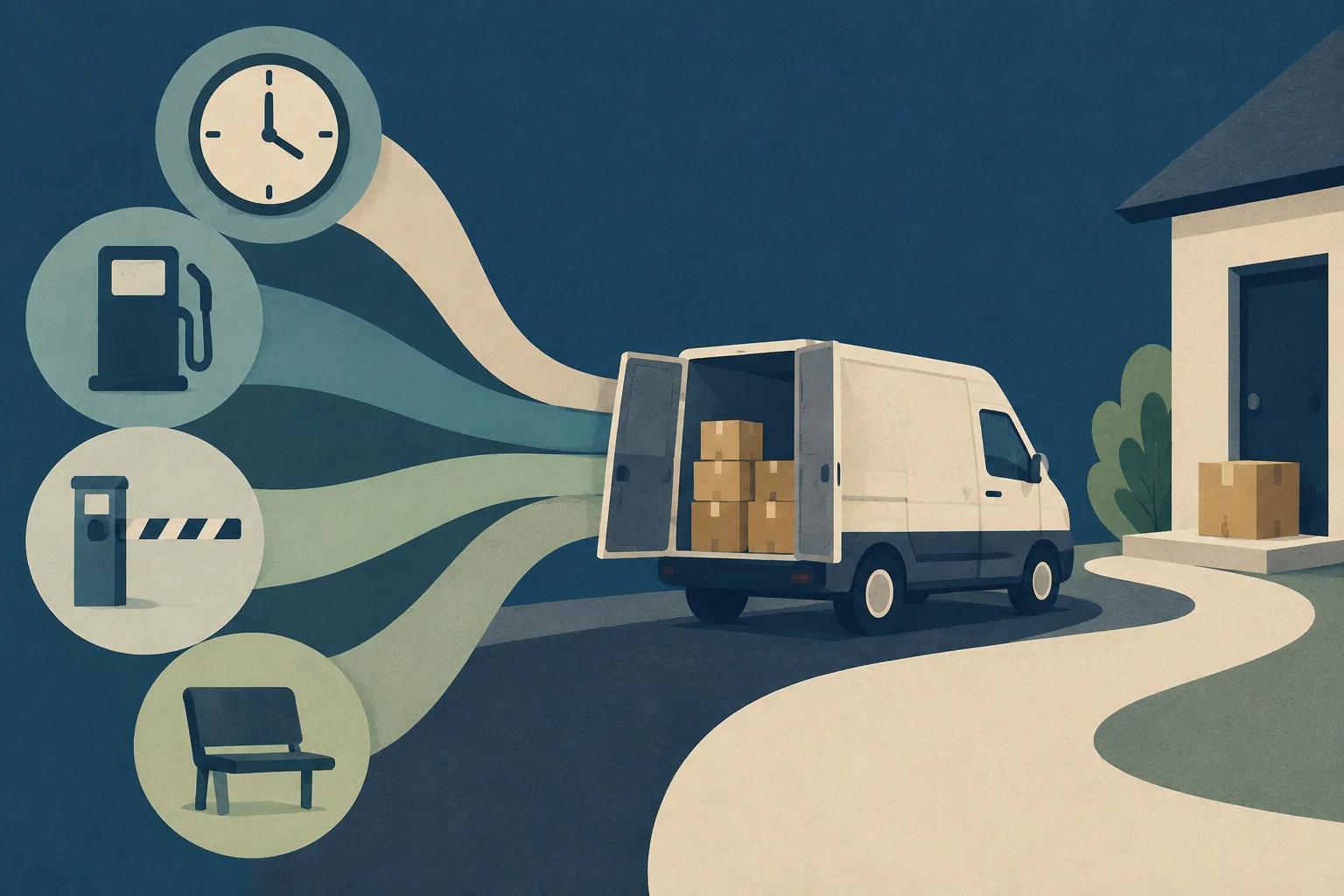
To calculate the real cost, it is necessary to go beyond the price of fuel and break down the activities that make up each stop. An urban delivery person can make between 80 and 150 stops per day. Each of them involves a sequence of actions that consume time and resources:
Driving and waiting time: Finding the address, parking, loading the package, ringing the bell, and waiting for the customer. This human time is not easily compressible with current technology.
Fuel and wear: The average delivery speed in urban centers drops below 15 km/h during peak hours. This stop-and-go driving regime increases fuel consumption and vehicle wear compared to highway driving.
Tolls and restrictions: In many cities, access to low-emission zones (LEZ) or time restrictions generate indirect costs or fines if not properly planned.
Failed deliveries: Between 5% and 15% of deliveries fail on the first attempt. Each failure implies the return of the package to the center and a second attempt on different days, doubling the operational cost of that unit.
Differences from long-haul route costs
The distinction between the last mile and long-haul routes is fundamental for financial management. In the long-haul route (or trunk line), the objective is to move large volumes of goods between logistics hubs. The cost is calculated mainly by kilometer, fuel, and tolls, with high predictability.
In the last mile, the dominant variable is demand density. An urban delivery person can make 100 deliveries in 30 km, while a rural one can make only 40 in 150 km. In low-density areas, the cost per package skyrockets because the vehicle travels more kilometers to deliver fewer units. This dispersion is the main reason why the last mile is more expensive: you pay for the inefficiency of geographical dispersion and the complexity of the interaction with the end customer.
Strategies to optimize margin
Reducing the cost of the last mile does not necessarily mean cutting salaries or increasing speed, but improving operational efficiency. The sources consulted highlight several levers of action:
Intelligent route planning: The use of optimization tools that analyze real-time traffic, weather, and the optimal sequence of stops. This reduces dead kilometers and waiting times.
Pickup points (PUDO) and Lockers: Diverting a portion of the volume to automatic lockers or convenience points eliminates the need to wait for the customer at their home, drastically reducing failed deliveries and stop time.
Adapted vehicles: The use of electric vans, cargo bikes, or scooters allows access to restricted zones and reduces fuel and maintenance costs over short distances.
Management of time windows: Negotiating broader or standardized delivery time slots allows the fleet to work more fluidly, avoiding the oversizing of vehicles to meet very narrow time peaks.
Impact on profitability and service
The impact of a poorly managed last mile is not only financial; it is also commercial. The modern consumer demands fast, flexible, and frictionless deliveries. A punctual and clean delivery builds loyalty, while a delay or a failed delivery can ruin the perception of the entire service, regardless of the quality of the product.
Companies that manage to measure and optimize each component of the last mile not only improve their gross margin but also gain a competitive advantage in customer experience. In a market where logistics is a key differentiator, the ability to turn the most expensive segment into an efficient process is the difference between survival and growth.
Defining what is certified, how the billable amount is calculated, and when payment is due helps prevent duplicate charges, measurement disputes, and cash-flow pressures on construction projects.
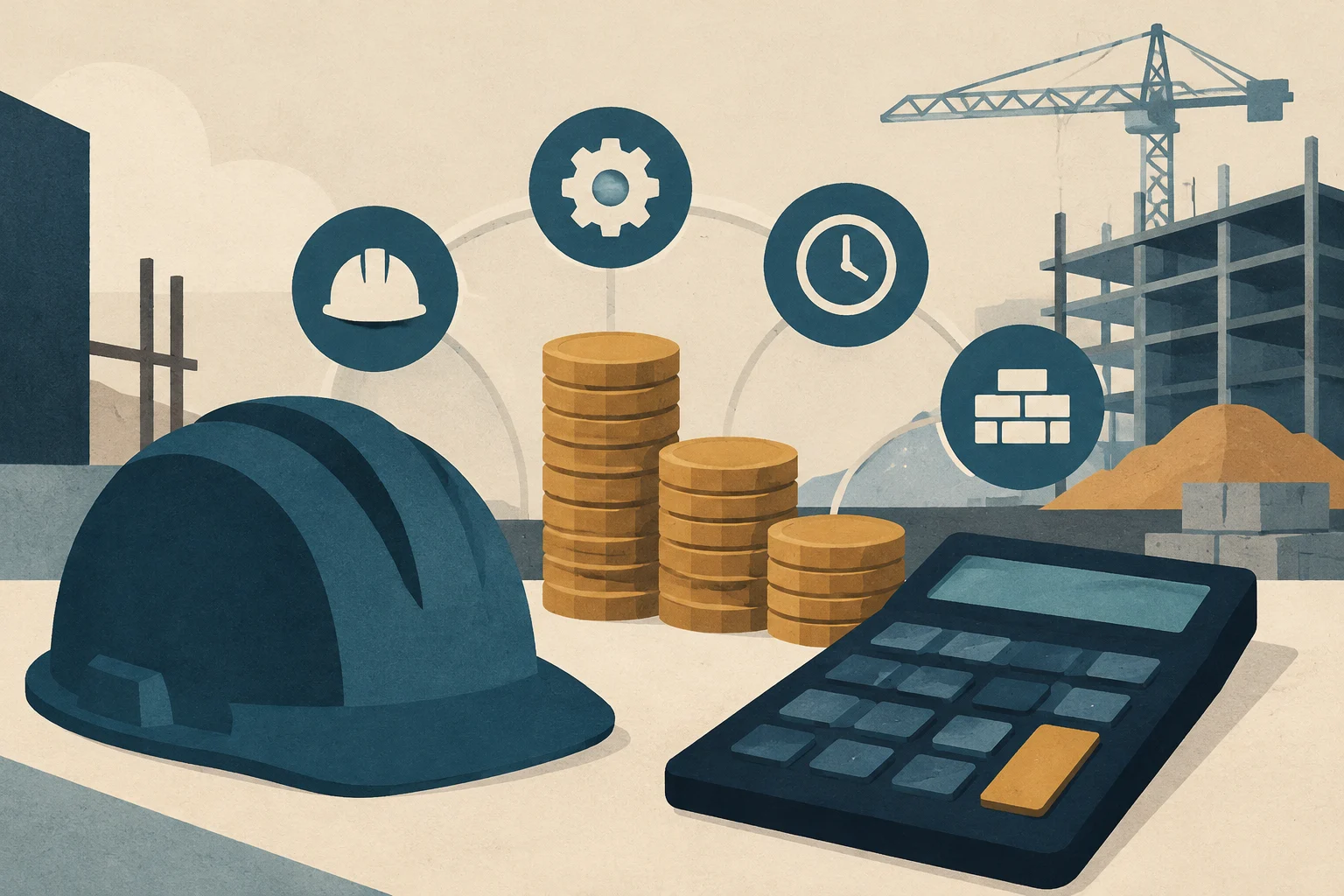
A reliable estimate adds employer costs and other expenses to wages, divides the total by the hours actually spent on productive work, and adjusts the result to the productivity of each work item and its indirect costs.
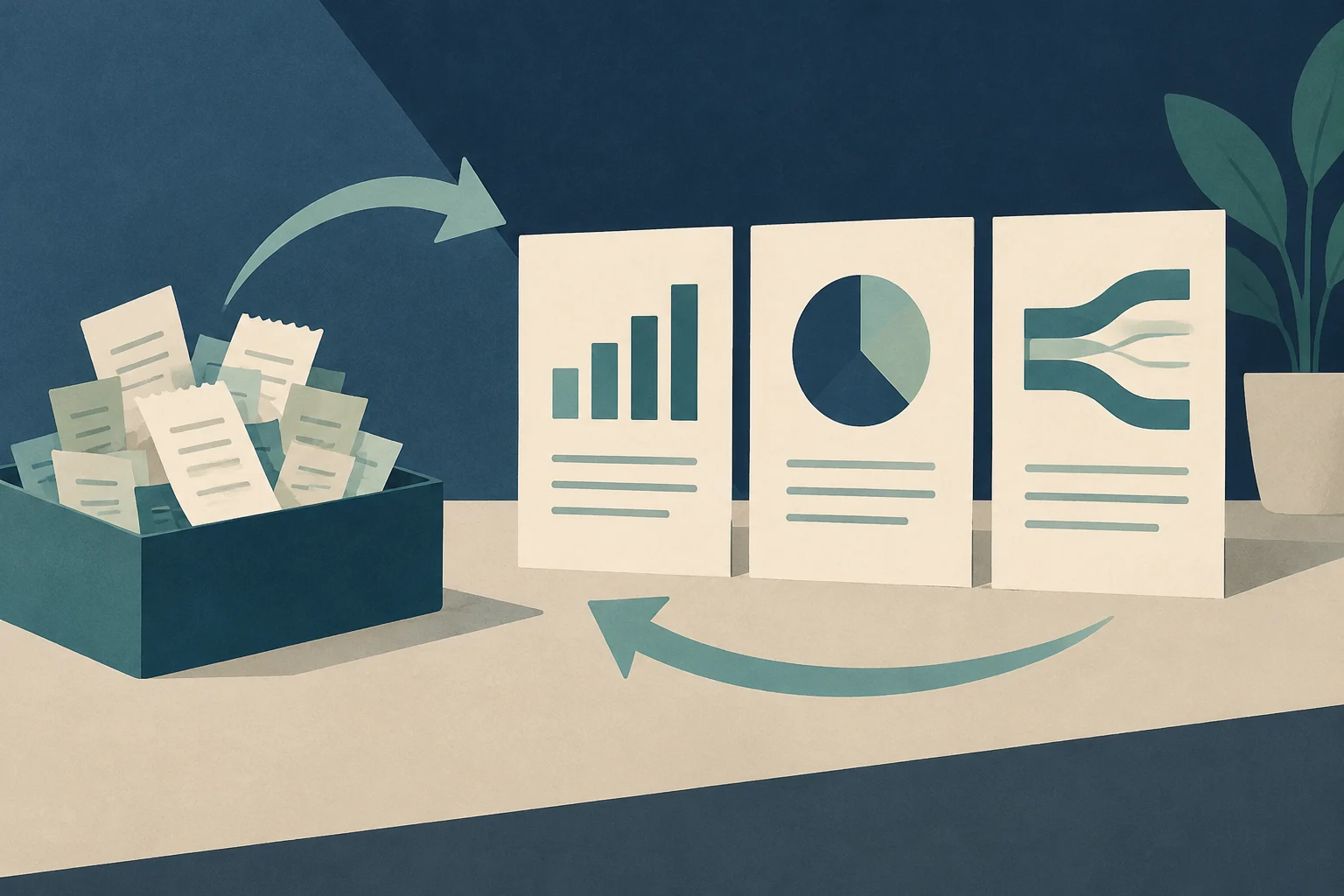
A practical guide to turning a small business’s records into an income statement, a balance sheet, and a historical statement of cash flows—and checking that the figures tie together.