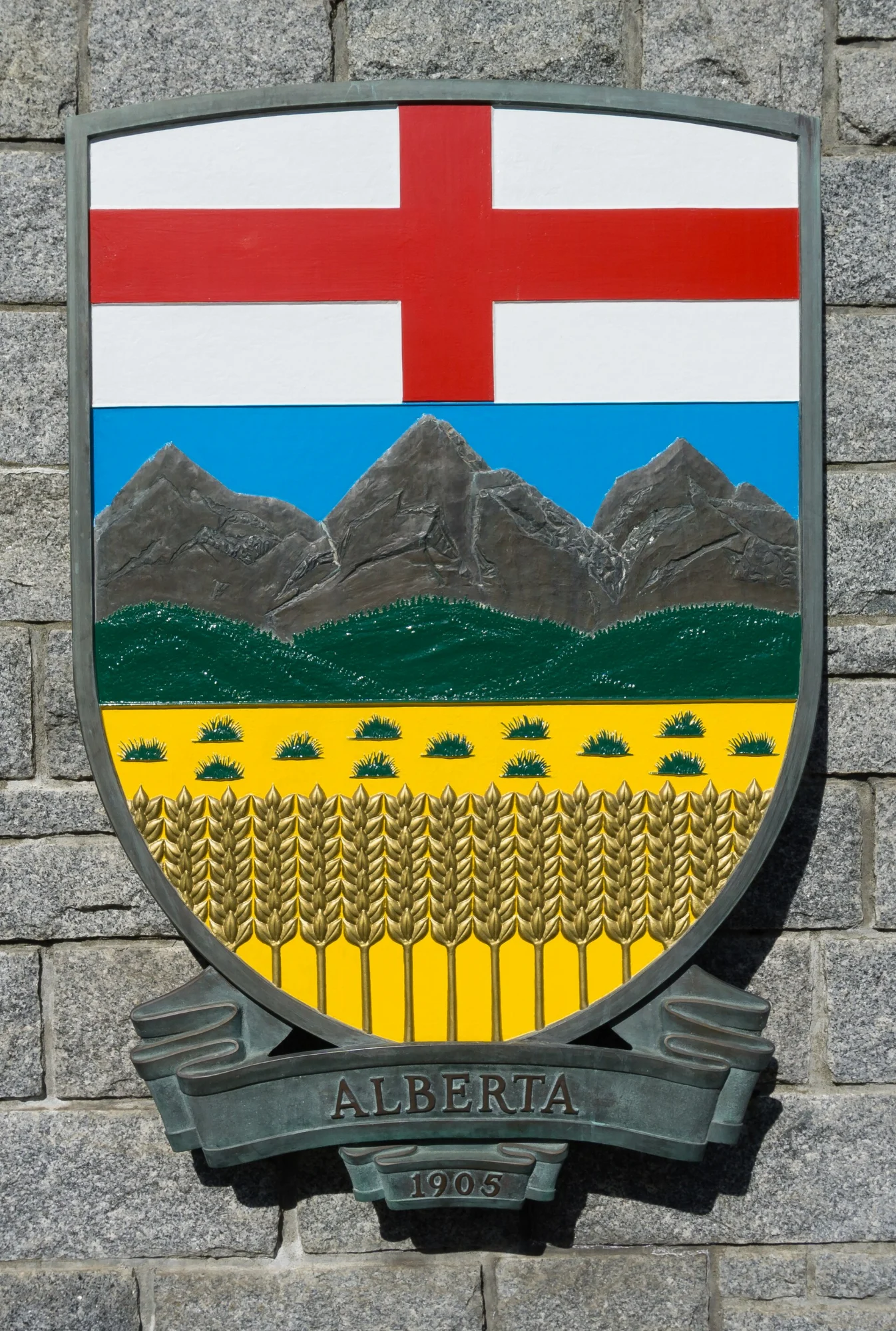
Alberta rejects secession: 76% vote to maintain Canada's unity
Alberta voters dismissed the legal process toward independence with 76% support for remaining in Canada. Mark Carney celebrates the result amid tensions with the U.S., while Danielle Smith closes the separatist debate.
Preliminary results from the consultation held on October 19, 2026, in the Canadian province of Alberta show an overwhelming rejection of the proposal to initiate a legal process that could lead to a binding independence referendum. According to data from Elections Alberta and projections from the public broadcaster CBC, approximately 76% of voters chose for the province to remain in Canada, compared to 24% who supported separation.
With more than one million votes counted early Tuesday morning, the federalist victory margin is wide. This decision represents a significant setback for the separatist movement, which had gained visibility in recent years, and direct support for Canadian Prime Minister Mark Carney and those who defend the country's territorial integrity.
Political reactions and closing the debate
Mark Carney described the result as a "clear decision" by Albertans to "choose unity, build together, and care for one another." The Prime Minister highlighted that this vote allows the country to move forward "with a renewed purpose," particularly relevant in a context of external instability.
For her part, Alberta Premier Danielle Smith, who called the consultation to settle the debate, stated that the issue of secession must be considered closed. Smith, leader of the United Conservative Party, noted that she herself voted against independence but that it was necessary to resolve the division existing in the province. "Albertans have voted for a stronger Alberta within a united Canada," she wrote on the social network X.
The enthusiasm for unity was also highlighted by Thomas Lukaszuk, director of Forever Canadian, the group that led the federalist campaign: "It was incredible to see the enthusiasm and determination of Canadians."
Context of tensions with the United States
The vote takes place at a critical moment for relations between Canada and the United States. Mark Carney had previously warned that holding this referendum was a "dangerous" signal for national stability, given that U.S. President Donald Trump has waged a trade war and launched threats of annexation.
Alberta's separatist movement has attracted the interest of Trump's allies. Elon Musk, a leading supporter of the U.S. President, posted on X this month that Alberta "should separate." Additionally, separatist leaders such as Mitch Sylvestre held meetings at the Department of State and with Republican politicians, although prior polls already anticipated that less than a quarter of the population supported independence.
Roots of resentment and costs of separation
The separatist impulse in Alberta has historical roots in resentment toward Ottawa over the management of the energy sector. The province, rich in oil and gas, holds the fourth largest proven oil reserves in the world. Many residents accused Carney's predecessor, Justin Trudeau, of attempting to curb oil production to advance his climate agenda, which generated a feeling that the province was treated as a mere source of resources.
A report commissioned by the government of Danielle Smith and published in early October calculated that the costs of separation would range between 50 billion and 170 billion Canadian dollars (US$35 billion and US$120 billion) over a five-year period. The document warned that an independent Alberta would have to create agencies to manage taxes, national security, constitution, legal and judicial systems, as well as negotiate the division of federal assets such as national parks and military bases.
In Burgos, the secretary-general of the PSOE in Castile and León attributed economic growth to the Government’s scope to raise the minimum wage and pensions. He also called for measures on housing and higher wages.
The HKMA spoke with HSBC after the bank announced a Singapore hub expected to hire more than 100 specialists. The discussion reflects competition to attract investment and technology talent, while the bank maintains AI teams and initiatives in Hong Kong.
The defense has appealed to the High Court of Justice of Extremadura against the nine-year disqualification from public employment or office imposed for administrative prevarication. It argues that fundamental rights were violated and that the judgment does not establish Sánchez’s specific involvement.